Research Papers
Number:
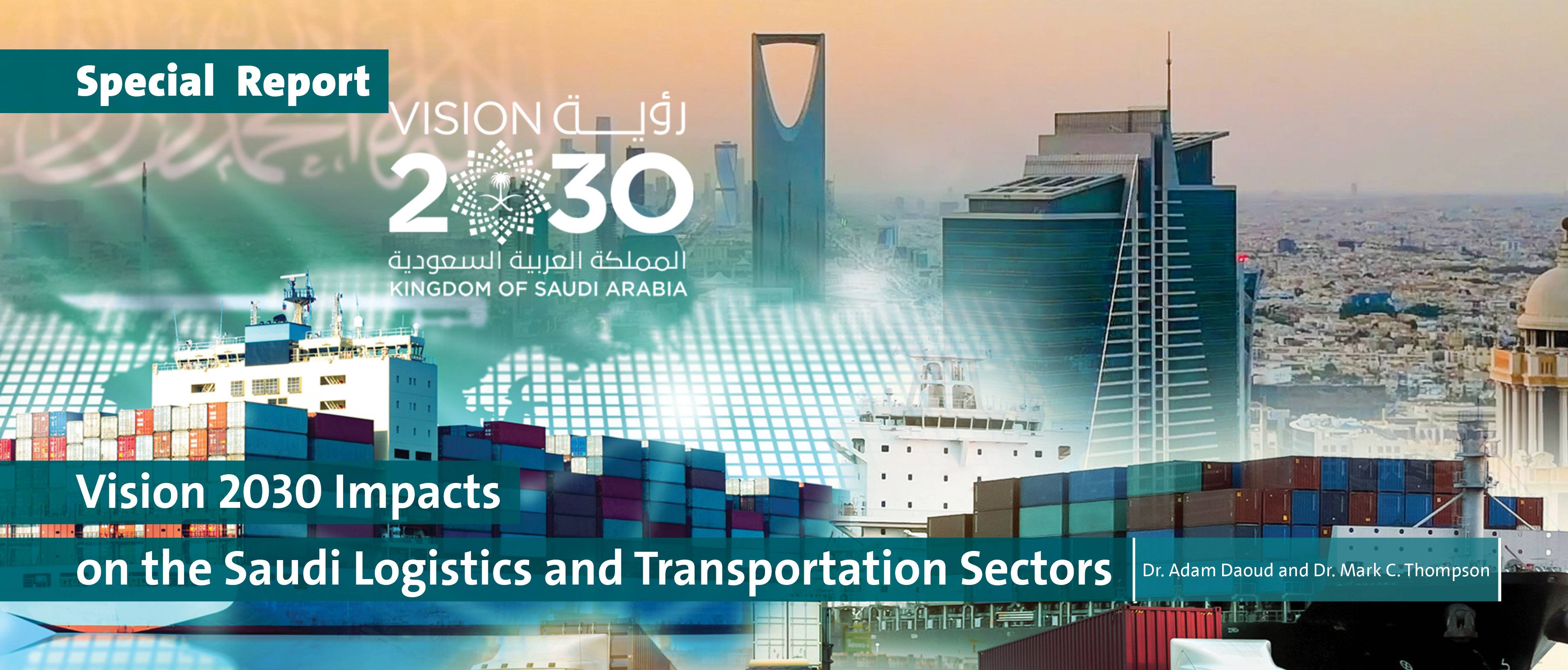
Author: Dr. Adam Daoud and Dr. Mark C. Thompson
Transport and logistics are an economy’s connective tissue, enabling efficient movement of goods, people, and information across domestic and international networks. In Saudi Arabia, transportation and logistics have been reshaped under Vision 2030 and the National Transport and Logistics Strategy with the Saudi government recognizing logistics modernization as a strategic imperative and its central role in economic resilience, trade facilitation, and industrial competitiveness. This reform agenda spans governance and regulation, market structure, infrastructure investment, and digitization. It has modernized
Number: 89/90
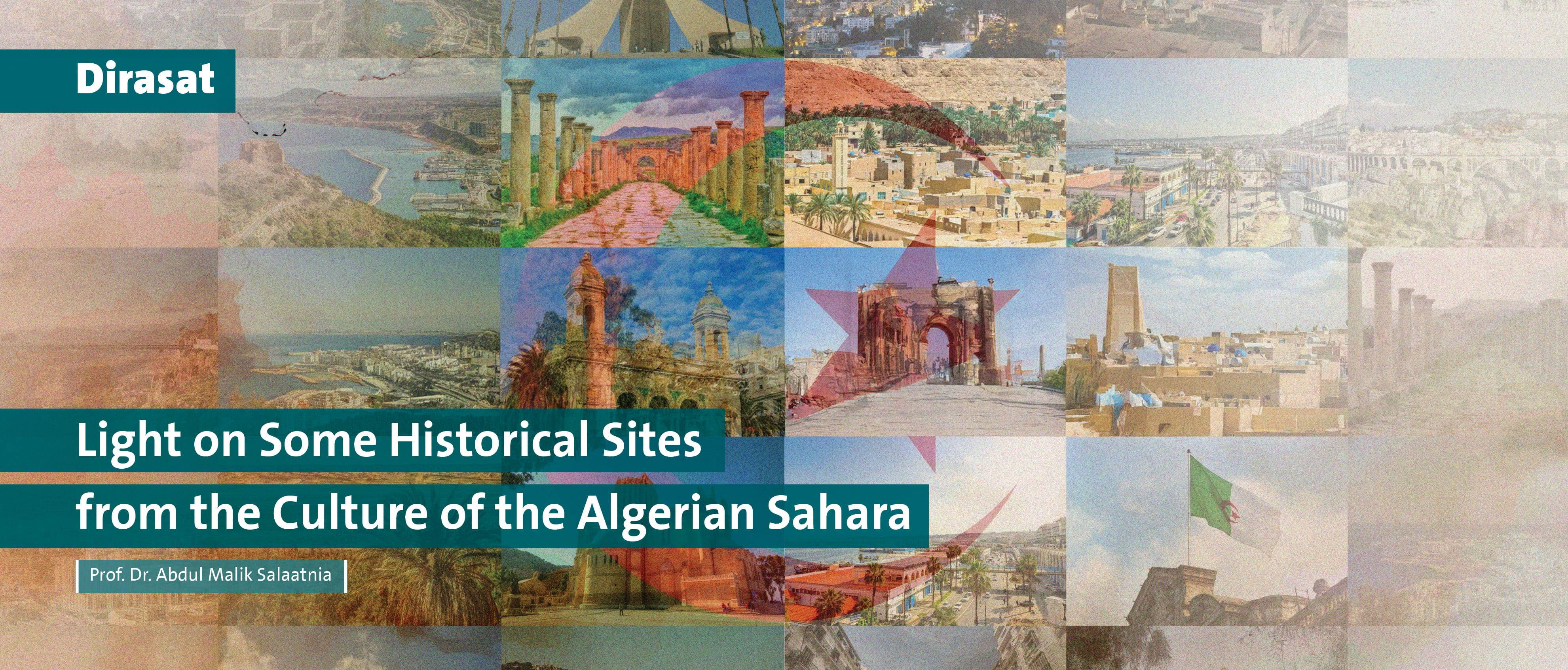
Author: Prof. Dr. Abdul Malik Salaatnia
This topic falls within the activities of the International Symposium on Desert Culture, which explores the cultural and heritage history of the Arabian Desert. At first glance, one can see that this field of study is vast and encompasses various aspects of human life that have shaped civilizations over history, influenced by climatic and economic conditions, and defined by societal norms shaped by the necessities of survival. Through our examination, we have constructed a model of life whose impacts are still felt today. Covering more than two million square kilometers, or 4/5 of the total area, the Algerian Sahara has been significantly shaped by human activity for mil
Number: 87/88
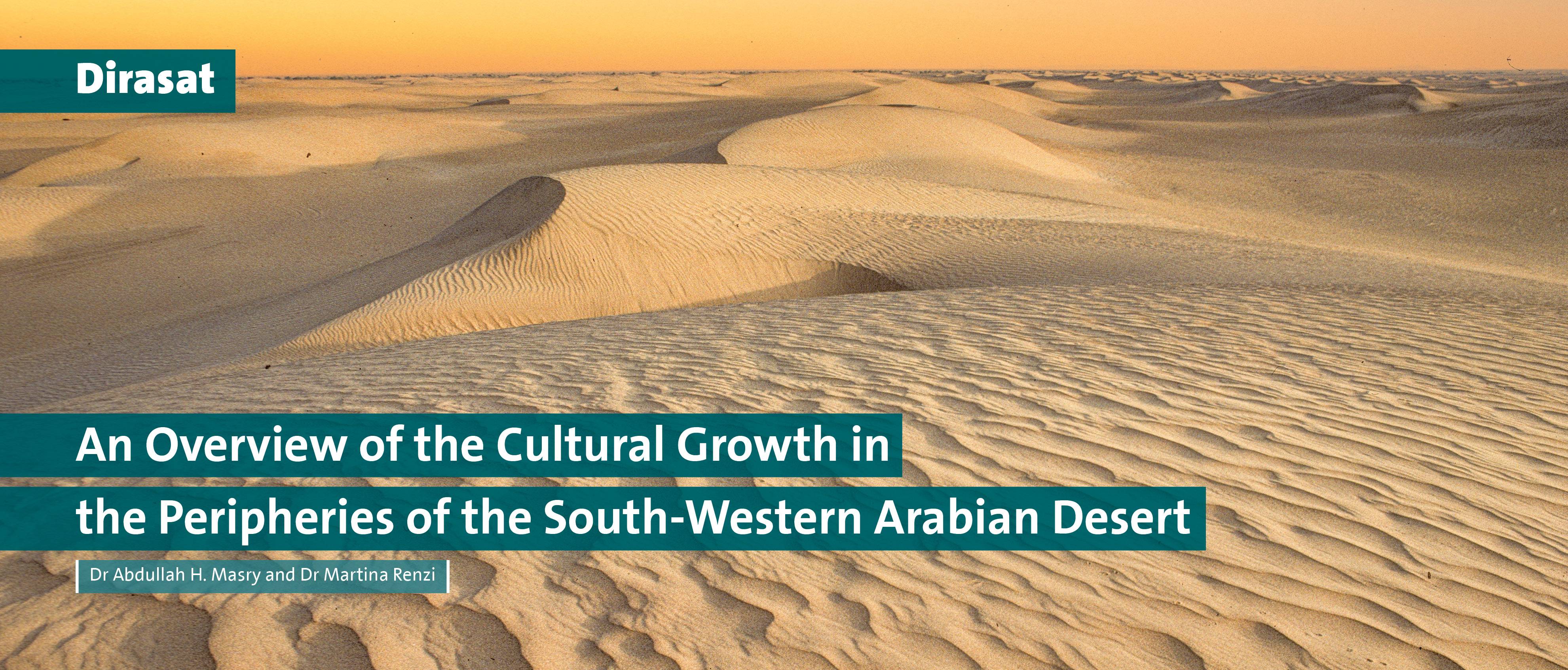
Author: Dr Abdullah H. Masry and Dr Martina Renzi
This study focuses on the analysis of the southwestern region of the Arabian Peninsula, which has been less thoroughly investigated compared to other areas of Arabia. Present-day Southwest Arabia is politically divided between parts of Saudi Arabia (the regions of Asir and Najran), Yemen, and a small portion of Oman (Dhofar). The Rub’ al Khali desert, also known as the Empty Quarter, serves as a geographical and cultural barrier between the northern and southern regions.
Number: 85/86
Author: Qasim ibn Khalaf Al-Ruways
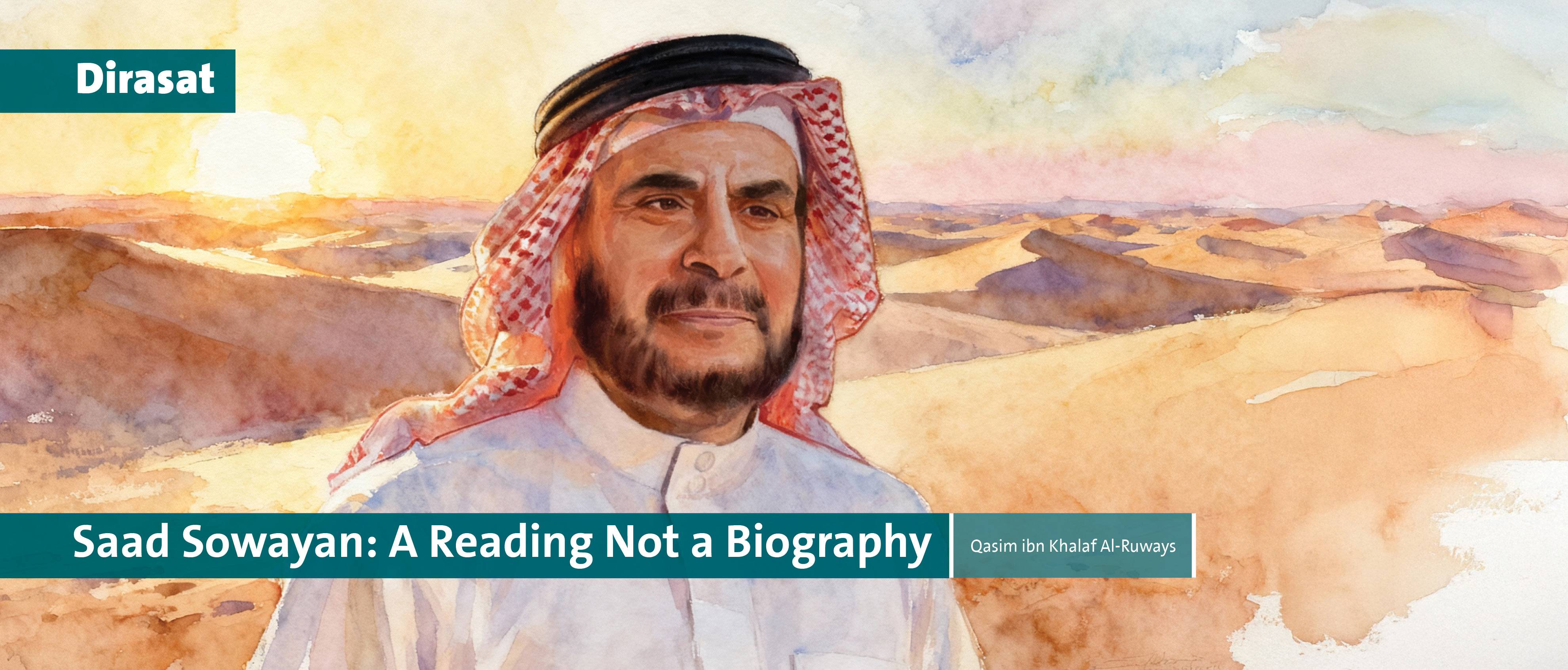
From a national cultural perspective, this paper seeks to introduce one of the prominent anthropologists, a serious academic who made society his field and the desert his destination to rain down on the popular memory before the demise of the pre-oil generations. He gathered scattered fragments that were on the verge of disappearing and studied them using modern scientific methods, probing their depths with a sensitivity that made him a global reference in this regard. It is an extended reading over the timeline of Saad Al-Sowayan’s life, starting with his personal and intellectual background, then moving on to the challenges and achie
Number: 83/84
Author: Dr. Heba Albeity
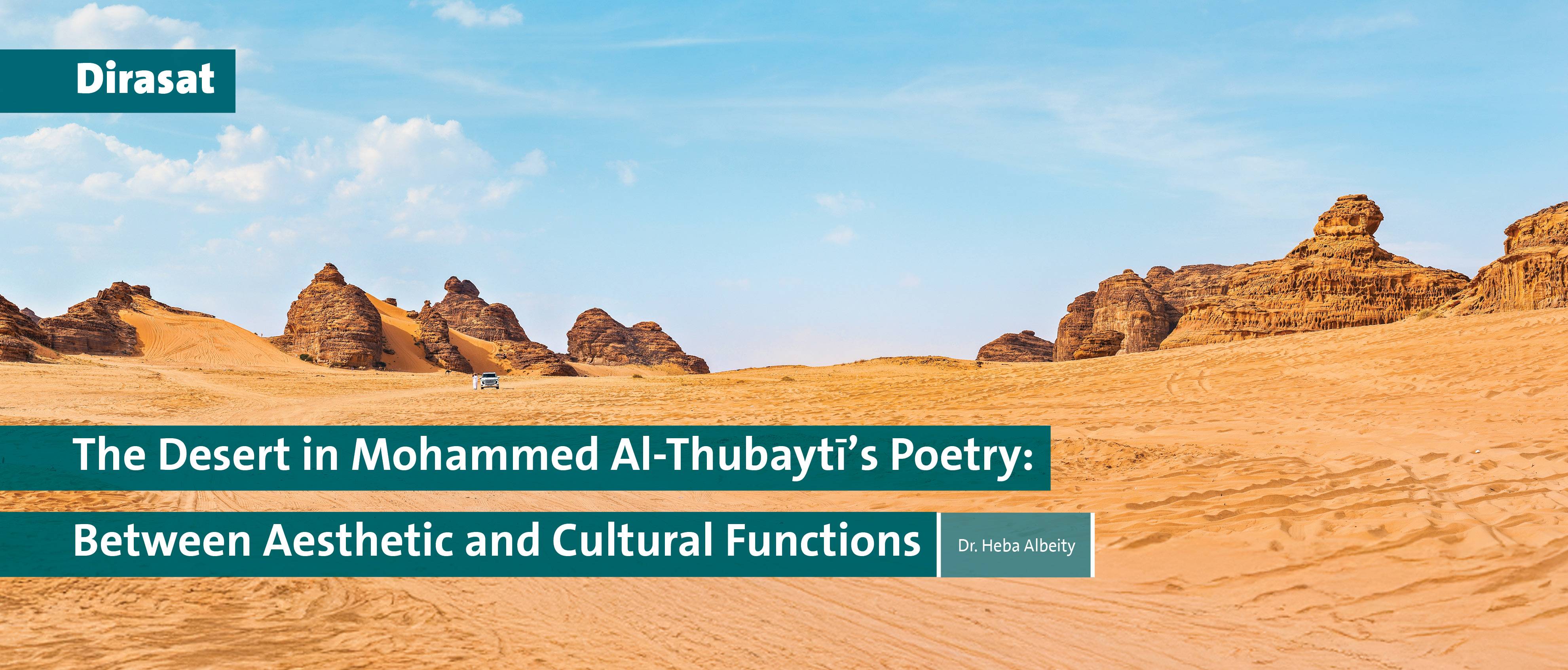
This research asserts that, for Al-Thubaytī, the desert transcended its mere geographical existence. It ebbed and flowed through his verses as a sentient being, perpetually in motion, seeking its essence within the poet’s words and anticipating the reverberations of his verse. While the desert resided within the very fabric of his writings, it also trailed behind him, the grains of its sands refining his every stride: “I arrived hastily, with the desert trailing me; the script of the sand weaving through my footfalls.” The poet’s creation of this imaginary desert serves as implicit evidence of the profound existential alien
Number: 81/82
Author: Dr. Awad Al-Qurashi and Dr. Abdullah Al-Zubaidi
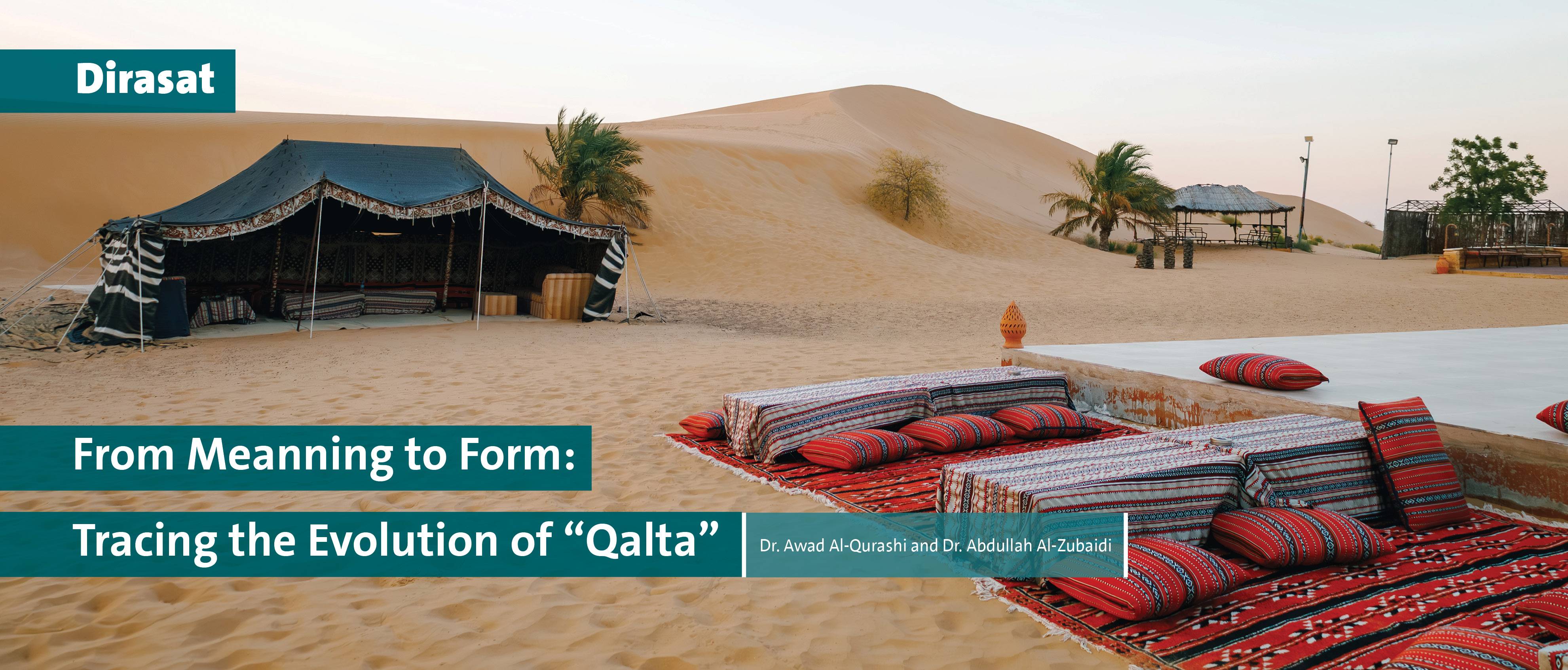
One of the striking aspects of the Arabian desert culture is the fascination with and captivation by encryption and coding in human communication, both verbal and non-verbal. In certain contexts, people use indirect symbols to convey requests, reprimands, challenges, tests, or other forms of social interaction. For example, in Arabian tradition, a guest’s refusal to drink the first cup of coffee offered is understood as an implicit sign of a request or as a subtle expression of reproach. In contrast, serving a cup beyond its customary limit is often perceived as an implicit sign of disrespect or a diminished sense of esteem. Likewise, certain
Number:
Author: Hamza Alshamy
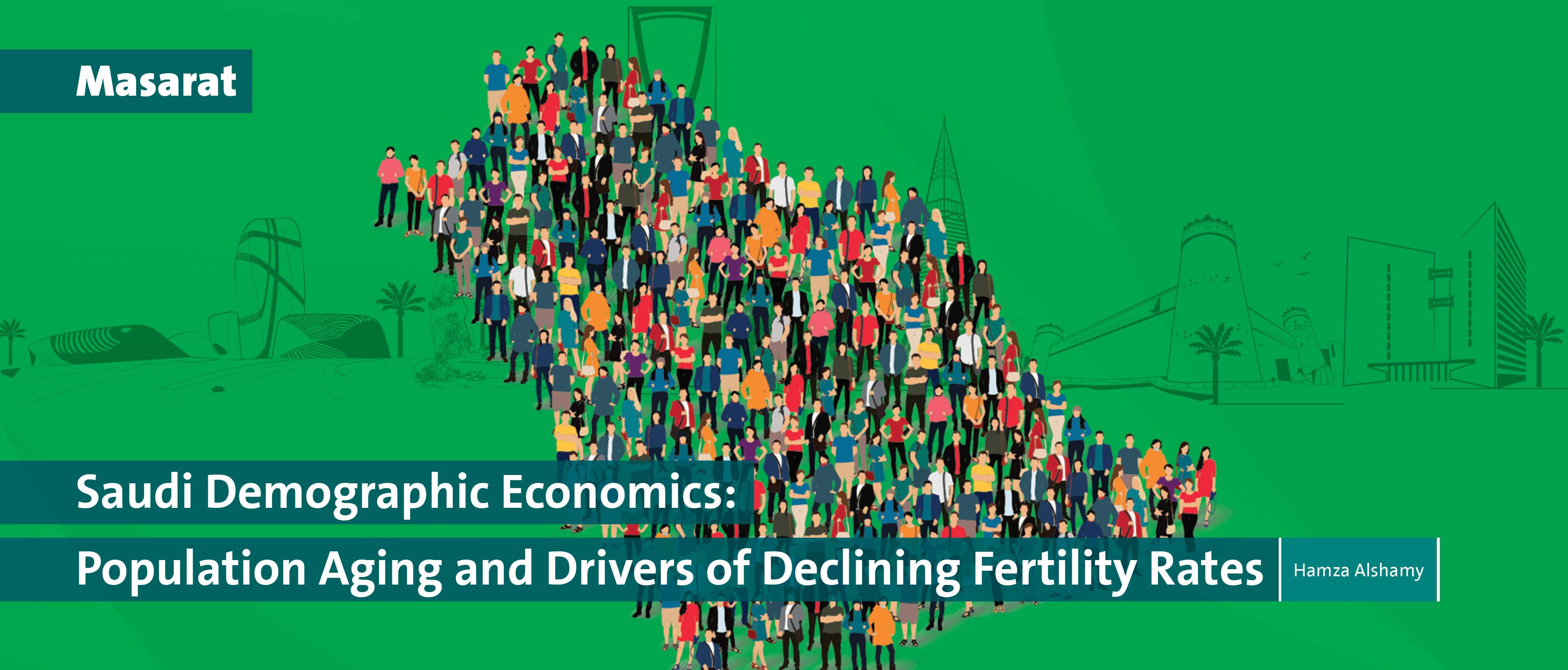
For the first time in history, in 2018, the number of people aged 65 and older surpassed those 5 years and younger (United Nations, 2019b). Longer life expectancy due to healthcare advancements combined with a declining birth rate are leading the world towards population aging. Though population aging is a global trend, both its underlying circumstances and its pace differ from one country to another. For example, throughout the 60s until the early 80s, the fertility rate in Saudi Arabia averaged around seven children per woman, significantly higher than the world average of four. By 2022, the fertility rate in the Kingdom had declined to the replac
Number: 79/80
Author: Solaiman al-Theeb
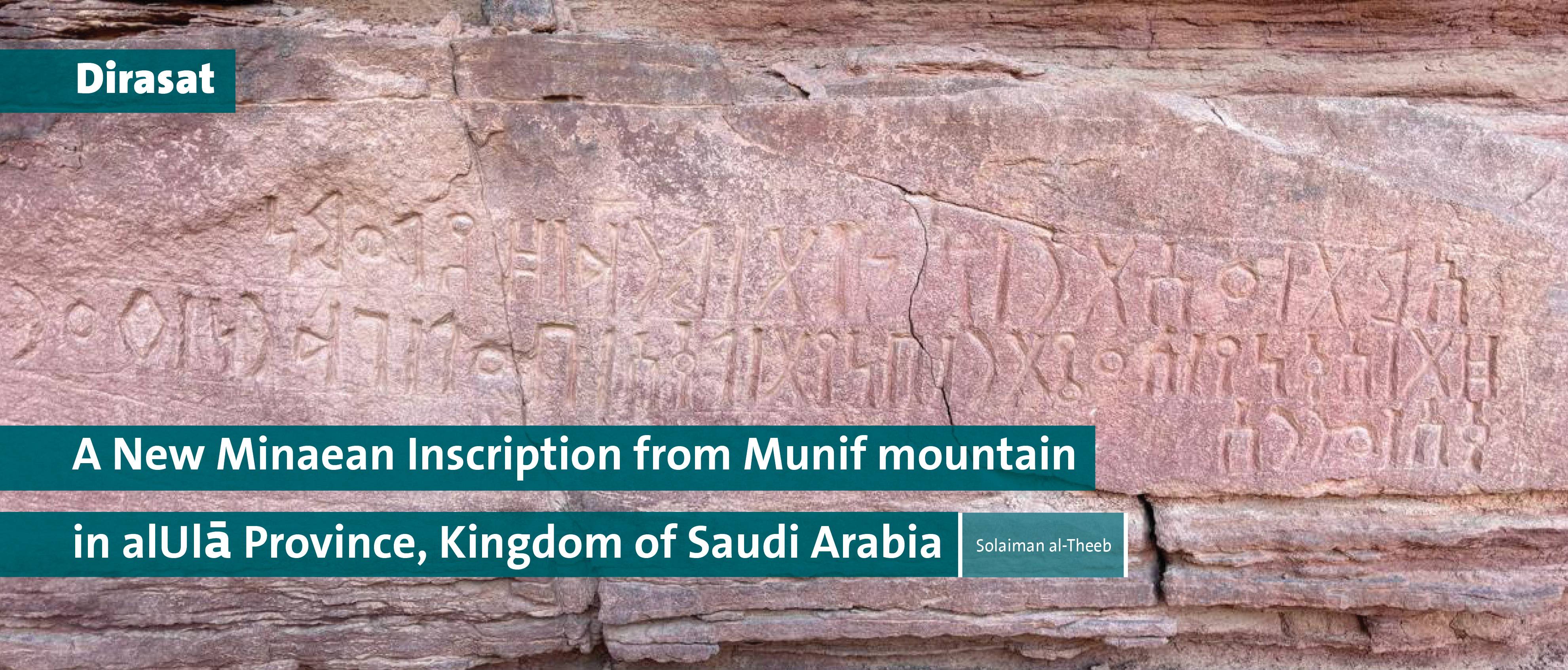
This inscription, discovered by Mr. Ahmed son of Mohammed al-Masuod during his visit to Abdulrahim al-Suqayr’s farm, is carved in relief on one of the rock faces of a mountain locally known as “Zib Munif,” located in the north of the Old Town of AlCulā which is about 4 kilometers. The writing technique reflects the skill and linguistic proficiency of the author in South Arabian script and language. If we consider the use of the letter “s” at the beginning of the verb (sqny) and at the end of names (Crrs) as a third-person singular pronoun, it shows a proof that indicates the Minaean dialect.